

Quick answer
- The First Sale Doctrine allows Etsy sellers to legally resell unaltered, authentic branded or vintage items they purchased legally.
- However, on Etsy, the First Sale Doctrine does not protect sellers who use licensed fabric to create new handmade goods, alter branded items, or use a brand's trademark to imply endorsement.
- While reselling a vintage Disney pin is protected, making a scrunchie out of Disney fabric is considered an unauthorized derivative work and constitutes copyright infringement.
What is the First Sale Doctrine on Etsy?
Defines the First Sale Doctrine and how it applies to Etsy sellers reselling physical goods.
The Etsy First Sale Doctrine policy relies on a fundamental principle of US copyright and trademark law: once a rights holder sells a physical product, they exhaust their right to control the future distribution of that specific item. In simple terms, if you legally purchase a physical book, you have the right to resell that exact book without asking the publisher for permission.
For Etsy sellers, the First Sale Doctrine is the legal foundation that allows the entire Vintage category to exist. It is what permits you to resell an authentic 1980s band t-shirt, a vintage toy, or a used piece of furniture without violating intellectual property laws.
However, this doctrine is widely misunderstood in the e-commerce community. Many sellers falsely believe that legally purchasing an item gives them the right to alter it, use its components to build new products, or use the brand's logo to market their own shop. Understanding the strict limits of this rule is essential to avoiding sudden listing deactivations and permanent shop suspensions. (Disclaimer: This article is for informational purposes only and does not constitute legal advice. Always consult a qualified attorney for legal decisions regarding your business.)
The Licensed Fabric Trap: Why Handmade Crafts Get Strikes
Explains why making new items out of licensed fabric violates copyright law and is not protected by the First Sale Doctrine.
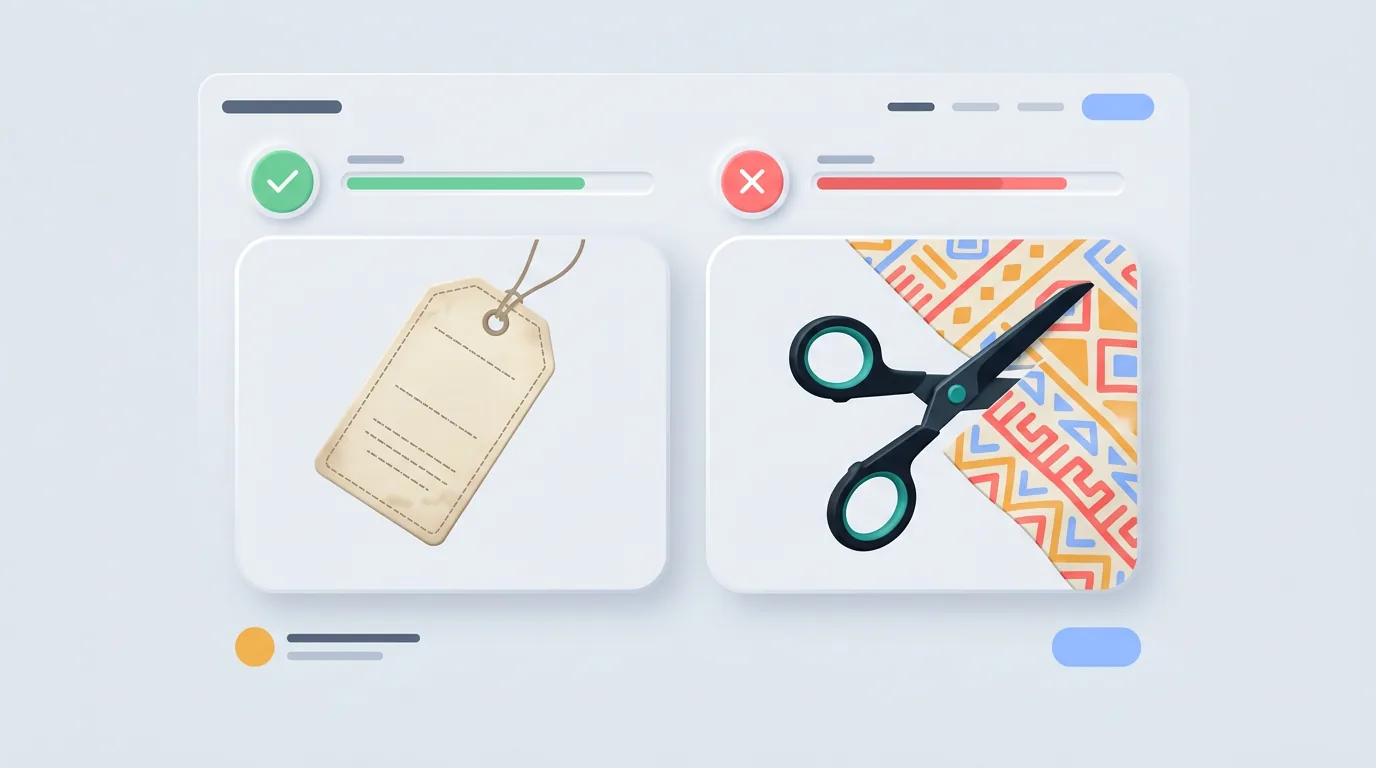
One of the most common IP traps on Etsy involves licensed fabric. A seller visits a local craft store, legally purchases fabric featuring popular characters (like Disney, Marvel, or Bluey), and uses it to sew handmade baby clothes, scrunchies, or face masks to sell on Etsy.
When their listings are inevitably taken down for copyright infringement, sellers often cite the First Sale Doctrine in their defense. Unfortunately, the doctrine does not apply here. The First Sale Doctrine only protects the resale of the original item—in this case, the uncut yard of fabric.
By cutting the fabric and sewing it into a dress or a scrunchie, you are creating a derivative work. The fabric manufacturers sell these licensed prints with strict personal use only terms. Creating and selling a new commercial product from licensed materials without explicit permission is a direct violation of copyright law, and rights holders actively sweep Etsy to remove these items.
Common First Sale Doctrine Myths
Buying licensed fabric only gives you the right to use it personally or resell the uncut fabric. Making a new product creates an unauthorized derivative work.
Disclaimers do not protect you from trademark infringement. If a buyer is confused before clicking the listing, the infringement has already occurred.
While legally protected, automated bots cannot distinguish between a vintage item and a modern counterfeit, leading to frequent false-positive takedowns.
The Vintage Ephemera Trap: Selling Book Pages and Ads
Details the risks of selling disassembled vintage book pages and advertisements.
Another complex area involves vintage ephemera. Many Etsy sellers specialize in rescuing old, damaged books and magazines, carefully removing the pages, and selling the individual illustrations or vintage advertisements.
Legally, the First Sale Doctrine generally protects the right to disassemble a legally purchased book and sell the individual physical pages. However, the trap lies in how these pages are marketed. If you sell a vintage 1950s advertisement for a famous soda brand, you naturally want to use the brand's name in your listing title and tags so buyers can find it.
This creates a high risk of trademark infringement takedowns. Brand protection bots scan Etsy for their trademarked terms and issue automated strikes, assuming the listing is a counterfeit reproduction rather than an authentic vintage page. Furthermore, if your listing implies that the brand itself endorses or sponsors your shop, you cross the line from fair use into trademark infringement.
Etsy Resale Risk Levels
Selling a vintage 1990s toy in its original condition. Protected by First Sale Doctrine, though bot sweeps can still cause false positives.
Bleaching, cropping, or painting on a branded item (like a Nike hoodie) and reselling it. Voids First Sale Doctrine due to material difference.
Creating scrunchies, masks, or apparel from branded fabric (Disney, sports teams). Explicitly violates commercial use licenses and triggers rapid takedowns.
Why Authentic Vintage Items Still Get Bot Takedowns
Explains why 100% authentic vintage items still receive automated IP strikes from brand protection agencies.
Even if you are selling a 100% authentic, unaltered vintage item that perfectly complies with the First Sale Doctrine, your listing is not immune to IP strikes. Major brands outsource their intellectual property enforcement to third-party brand protection agencies that use aggressive AI scraping tools.
These automated bots crawl Etsy looking for specific keyword combinations. They cannot visually distinguish between a newly manufactured counterfeit t-shirt and an authentic vintage piece from 1995. If your tags trigger their filters, the bot issues a rapid takedown notice to Etsy, and your listing is deactivated automatically.
When this happens, the burden of proof falls on the seller. You must either file a DMCA counter-notice (if it was a copyright strike) or contact the brand's legal team directly to request a trademark retraction. This is why properly structuring your titles and keeping meticulous records of your vintage inventory is crucial for survival on the platform.
Scan Your Vintage Listings for IP Risk
Don't let an automated bot take down your authentic vintage items. ZenStorefront scans your titles and tags for high-risk trademark terms before you publish, helping you adjust your keywords to avoid triggering brand...
4 Rules for Safely Reselling Branded Items on Etsy
Actionable best practices for staying compliant when reselling vintage or branded goods.
To protect your Etsy shop while relying on the First Sale Doctrine, you must follow strict boundaries. First, never alter the branded item. If you bleach, crop, or paint over a branded piece of clothing, you create a material difference. This voids your First Sale protection because the brand can argue you are confusing consumers about the quality and origin of the product.
Second, practice nominative fair use in your listing titles. Do not use the brand name as the very first word, which can imply the brand manufactured your specific listing. Instead, use clear, descriptive phrasing like 'Vintage 1970s Denim Jacket, Manufactured by [Brand Name].'
Finally, ensure your listing photos focus strictly on the item itself. Do not use the brand's logo in your shop banner, and avoid using branded props in your background. If you regularly sell high-risk vintage items, proactively scan your listings for heavily monitored trademark terms before you hit publish.
First Sale Doctrine Compliance Checklist
Frequently asked questions
Does the First Sale Doctrine apply to Etsy sellers?
Yes, the First Sale Doctrine allows Etsy sellers to resell legally purchased, unaltered physical items, which is the legal basis for Etsy's vintage category. However, it does not allow sellers to alter branded items or create new products from licensed materials.
Can I sell items made from licensed fabric on Etsy?
No. Buying licensed fabric (like Disney or Marvel) only gives you the right to use it for personal projects or resell the uncut fabric. Making new commercial products, like scrunchies or bags, creates an unauthorized derivative work and violates copyright law.
Why did my authentic vintage item get an IP strike on Etsy?
Brand protection agencies use automated bots to scan Etsy for trademarked keywords. These bots often cannot distinguish between a modern counterfeit and an authentic vintage item, leading to false-positive takedowns that require a retraction or counter-notice.
Does adding a disclaimer protect my Etsy listing from trademark strikes?
No. Adding disclaimers like 'not an official product' or 'inspired by' does not protect you from trademark infringement. If a listing uses a brand's protected name to attract buyers, it can still be flagged and removed.
Stop Guessing About IP Risk
Worried your vintage listings or craft supplies might trigger an automated brand takedown? ZenStorefront scans your Etsy shop for high-risk trademarked terms, copyright traps, and risky imagery before the bots find them. Protect your Star Seller badge and keep your shop open.
Start a free scanSources reviewed
- Help! Vintage items flagged for Copyright - First Sale Doctrine Advice - Provides real-world examples of Etsy sellers dealing with First Sale Doctrine takedowns on vintage ephemera.
- Can I Sell Handmade Items Made of Licensed Brand Fabric? - Legal overview explaining why the First Sale Doctrine does not protect items made from licensed fabric.
- Trade Dress Protection for E-Commerce Businesses - Explains how e-commerce platforms handle trade dress and trademark enforcement.