

Quick answer
- An Etsy pattern trademark strike occurs when a seller uses a legally protected textile design, such as the Burberry check or Louis Vuitton Damier, without permission.
- While basic geometric shapes and generic plaids are public domain, luxury brands hold strict trademark and trade dress rights over their signature colorways and grid proportions.
- Etsy sellers receive takedowns for these patterns even if they do not use the brand name in their tags, as companies use image recognition software to detect unauthorized prints.
- To avoid strikes, sellers should use truly generic colorways, avoid designer-inspired tags, and verify the originality of seamless patterns purchased from third-party marketplaces.
The 'It's Just a Pattern' Myth
Why sellers mistakenly believe all repeating patterns are public domain.
Many Etsy sellers assume that basic geometric shapes and repeating lines are free for anyone to use. After all, nobody can own a square or a stripe, right? Unfortunately, this assumption leads to a devastating Etsy pattern trademark strike. While basic geometry is public domain, specific arrangements of colors, grid proportions, and signature layouts are fiercely protected intellectual property.
When luxury brands and design houses register their signature prints, they gain the legal right to control who sells them. If you list a handmade bag, a digital paper pack, or a print-on-demand tumbler featuring one of these protected layouts, you are committing trademark or trade dress infringement.
The trap is that sellers often don't realize they are using a protected design. They buy a 'seamless checkered digital file' from a third-party marketplace, apply it to their products, and suddenly find their listings deactivated. Understanding the line between a generic pattern and a protected brand asset is crucial for keeping your shop safe.
High-Risk Designer Patterns
These specific pattern layouts are heavily protected and frequently trigger automated takedowns on Etsy.
The specific alternating brown and tan grid is a registered trademark.
This exact intersection of lines and colors is aggressively defended worldwide.
The stylized shape and layout of these specific floral blooms are copyrighted.
The Checkered Trap: Louis Vuitton's Damier
How the specific brown/tan checkerboard is a protected trademark.
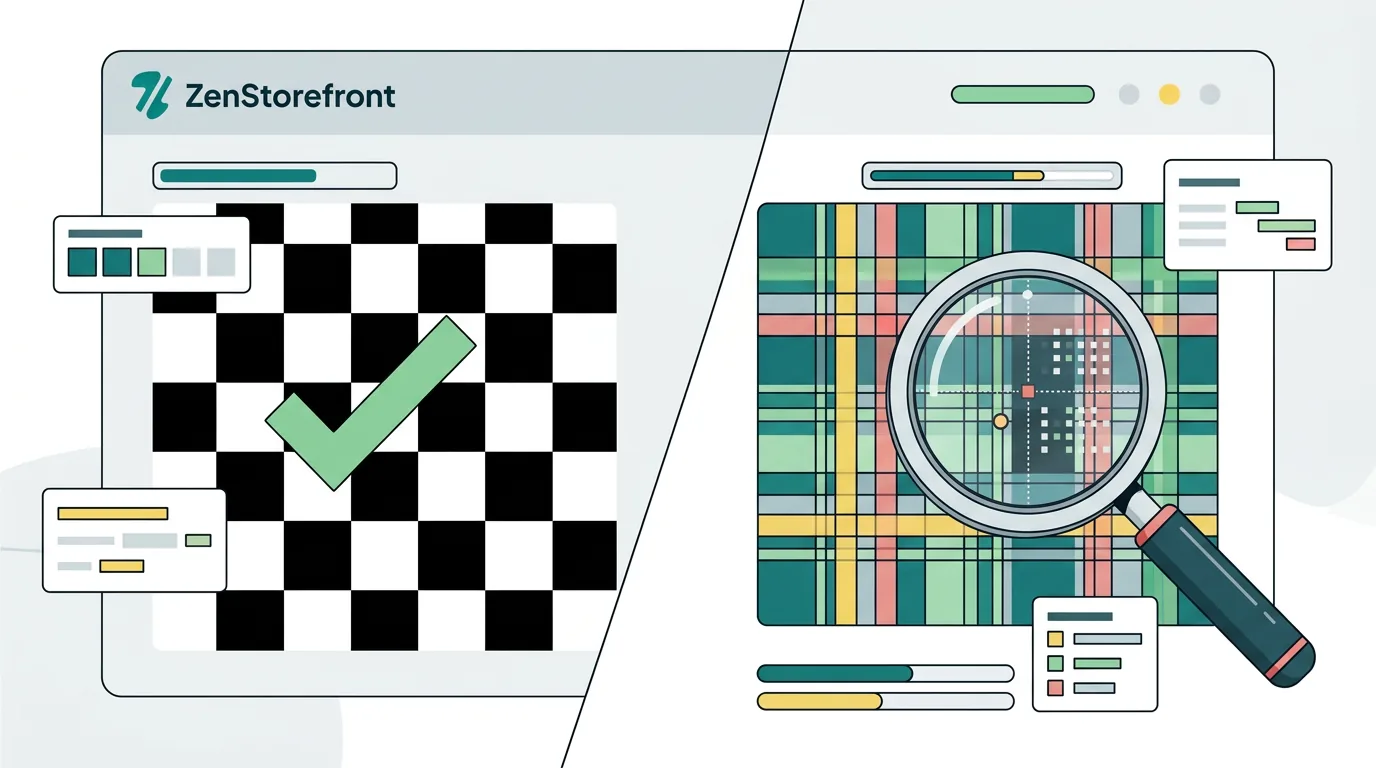
One of the most common sources of an Etsy pattern trademark strike is the checkered grid. A standard black-and-white racing checkerboard is entirely generic and free to use. However, if you use a specific alternating checkerboard in brown and tan, or white and grey, you are stepping directly into Louis Vuitton territory.
Louis Vuitton owns strict trademark rights to its 'Damier' (French for checkerboard) pattern. This includes the Damier Ebene (brown/tan) and Damier Azur (white/grey) colorways. The brand actively polices marketplaces like Etsy for unauthorized uses of this specific grid and color combination.
Sellers often get caught when they create 'luxury inspired' faux leather goods, watch bands, or digital downloads. Even if you never use the letters 'LV' or the word 'Louis Vuitton' anywhere in your title or tags, the visual pattern itself is the registered trademark. Image recognition bots can instantly flag these specific checkered layouts.
The Plaid Trap: Burberry's Signature Check
Why the famous camel, black, red, and white plaid triggers takedowns.
Plaid and tartan are ancient textile traditions, and thousands of plaid variations are completely free to use. You can sell red-and-black buffalo plaid or generic Scottish tartans all day long. But the moment your plaid features a specific camel, black, red, and white intersecting grid, you risk a strike from Burberry.
The 'Burberry Check' is one of the most recognizable and aggressively defended trademarks in the fashion industry. The company has registered this specific arrangement of intersecting lines and colors across multiple product categories, from scarves and apparel to pet accessories and home goods.
Many sellers mistakenly believe that if they slightly alter the thickness of the red line or change the background shade by a few hex codes, they are safe. Trademark law, however, operates on the standard of 'likelihood of confusion.' If a reasonable buyer scrolling through Etsy might glance at your pattern and think of Burberry, the brand has grounds to issue a takedown.
Generic Patterns vs. Protected IP
Understanding the difference between a public domain pattern and a protected brand asset.
The Floral Trap: Marimekko & Copyrighted Prints
How stylized floral illustrations are protected by copyright law.
While checkered and plaid designs usually fall under trademark and trade dress law, floral prints introduce the risk of copyright infringement. You cannot copyright the idea of a flower, but an artist's specific illustration or stylized rendering of a flower is protected the moment it is created.
A prime example is the Finnish design house Marimekko, famous for its bold, oversized 'Unikko' poppy print. The specific shape, petal arrangement, and flat color blocking of the Unikko flower are heavily protected. Sellers who trace this design, buy unauthorized 'retro floral' SVG files that mimic it, or use legitimate Marimekko fabric to make unauthorized commercial products often face swift takedowns.
Unlike trademarks, which protect brand identifiers, copyright protects the creative artwork itself. If you are sourcing floral seamless patterns from sites like Creative Fabrica or Pinterest, you must ensure the original artist did not simply copy a famous design house's signature print.
How Bots Sweep for Pattern Infringement
The technology brands use to find unauthorized patterns on Etsy.
You might wonder how a brand based in Paris or London finds a small Etsy shop selling a $15 makeup bag. The answer is automation. Major brands employ specialized brand protection agencies that use advanced image recognition software to scan millions of listings across the internet.
These bots don't just read your tags; they analyze your primary listing photos and mockups. If the software detects the geometric proportions of a protected plaid or the specific colorway of a designer checkerboard, it automatically generates a takedown notice.
Additionally, keyword sweeps catch sellers who try to capitalize on the aesthetic. Using tags like 'designer inspired,' 'LV plaid,' 'luxury check,' or 'Burberry style' acts as a massive red flag. These phrases not only prove that you know the origin of the design, but they also hand the brand an easy keyword match for their automated sweeps.
Common Pattern IP Mistakes
Avoid these dangerous assumptions when sourcing or tagging patterns.
Tagging an item as 'LV inspired' or 'Burberry style' does not protect you; it actually proves you are intentionally copying the brand.
Changing the background color of a designer plaid by one shade does not bypass the 'likelihood of confusion' standard.
Just because you bought a seamless pattern file on a craft site does not mean the creator had the legal right to sell that designer layout.
How to Safely Sell Patterns on Etsy
Actionable steps to avoid pattern trademark strikes.
To protect your shop from unexpected IP strikes, you must be intentional about the patterns you use and sell. The safest route is to design your own seamless patterns from scratch or purchase commercial licenses from reputable, independent surface pattern designers who guarantee their work is original.
If you want to sell checkered items, stick to generic colorways like black-and-white, neon green, or pastel pink. Avoid the signature brown/tan or white/grey combinations associated with luxury brands. If you sell plaid, use traditional, widely available tartans or create your own unique color intersections.
Finally, regularly audit your shop's visual assets. If you aren't sure whether a pattern you bought from a digital marketplace is a knockoff of a designer print, run it through visual scanning tools. Identifying high-risk imagery before you publish can save your shop from permanent suspension. Always consult a qualified attorney if you are unsure about the legal status of a specific design.
Pre-Listing Pattern Safety Check
Run through these steps before publishing any pattern-based product on Etsy.
Ensure your checkerboard or plaid does not use the signature color combination of a luxury brand.
Remove any brand names, designer names, or 'inspired by' phrases from your titles, tags, and descriptions.
Confirm that the digital pattern file you purchased is an original creation, not a traced replica of a famous print.
Use image recognition tools to scan your mockups for accidental similarities to protected trade dress.
Frequently asked questions
Can I sell checkered patterns on Etsy?
Yes, generic checkered patterns, such as a black-and-white racing checkerboard, are public domain and safe to sell. However, using specific color combinations like brown and tan or white and grey can trigger a trademark strike from Louis Vuitton.
Is plaid copyrighted?
Most traditional plaids and tartans are public domain. However, specific plaid designs, such as the Burberry Check (camel, black, red, and white), are registered trademarks. Using that specific layout can result in an IP takedown.
Can I use 'designer inspired' in my Etsy tags?
No. Using phrases like 'designer inspired,' 'LV style,' or 'Burberry plaid' in your tags is a direct trademark violation. It alerts the brand's automated sweeping bots and provides evidence that you are referencing their intellectual property.
Why did my seamless pattern get an IP strike?
If you purchased a seamless pattern from a third-party marketplace that mimics a famous designer print, the original brand can issue a strike against your shop. The responsibility falls on the Etsy seller to ensure the designs they use do not infringe on existing trademarks or copyrights.
Catch High-Risk Patterns Before You Publish
Don't let a brown-and-tan checkerboard or a designer plaid put your Etsy shop at risk. ZenStorefront's visual scanning tools analyze your mockups and listing photos for protected trade dress and high-risk patterns before the bots find them.
Start a free scan