

Quick answer
- An Etsy trademark troll is a competitor who registers a generic or commonly used phrase with the USPTO to weaponize Etsy's IP reporting portal and eliminate competition.
- In the US, trademark rights are based on 'first to use in commerce,' meaning if you sold items with the phrase before the competitor filed their trademark, you are the senior user.
- Unlike copyright claims, trademark takedowns on Etsy do not have a simple DMCA counter-notice process, meaning disputes must usually be resolved off-platform.
- If a competitor trademarks your phrase, verify their USPTO registration class, gather proof of your prior sales, and consult an IP attorney about filing a cancellation petition.
- To protect your shop, regularly scan your listings for newly registered phrases and remove them before a competitor can file a strike.
The Nightmare of the Etsy Trademark Troll
Explains the core problem of competitors trademarking generic phrases to take down established sellers.
You wake up to a dreaded email from Etsy Trust & Safety: your bestselling listing has been deactivated for intellectual property infringement. You assume it's a mistake. You don't sell Disney merch or luxury dupes. But when you look at the complaint, your stomach drops. The claim was filed by a competing Etsy seller who just trademarked a generic phrase you've both been using for years.
Welcome to the frustrating world of the Etsy trademark troll. This aggressive tactic involves a competitor registering a common phrase—like "Coastal Vibes," "Bride Squad," or "Dog Mom"—with the United States Patent and Trademark Office (USPTO). They don't do this to build a legitimate brand; they do it to weaponize Etsy's IP reporting portal.
Once the USPTO approves the mark, the troll files mass takedowns against every competing seller on page one of the search results. Overnight, they monopolize the search term, leaving senior sellers with account strikes and lost revenue. If you've been targeted by a competitor's bad-faith trademark, you need to understand your rights and why the standard Etsy appeals process won't easily save you.
Why You Can't Just 'Counter-Notice' a Trademark Strike
Details the legal differences between copyright and trademark takedowns on Etsy.
Many sellers confuse copyright takedowns with trademark takedowns. If someone files a false copyright claim against your original design, you can file a Digital Millennium Copyright Act (DMCA) counter-notice. After 10 to 14 days, if the complainant hasn't sued you in federal court, Etsy restores your listing.
Trademark law does not have a DMCA equivalent. There is no statutory "safe harbor" that allows Etsy to easily restore a listing after a trademark counter-notice. Because platforms can be held liable for contributory trademark infringement, Etsy's policy is strict: if a complainant presents a valid, active federal trademark registration, Etsy complies with the takedown.
Etsy cannot act as a judge or jury in trademark disputes. Even if you can prove you used the phrase three years before the troll filed their application, Etsy support cannot invalidate a federal trademark. To get your listing back, you have to fight the troll off-platform.
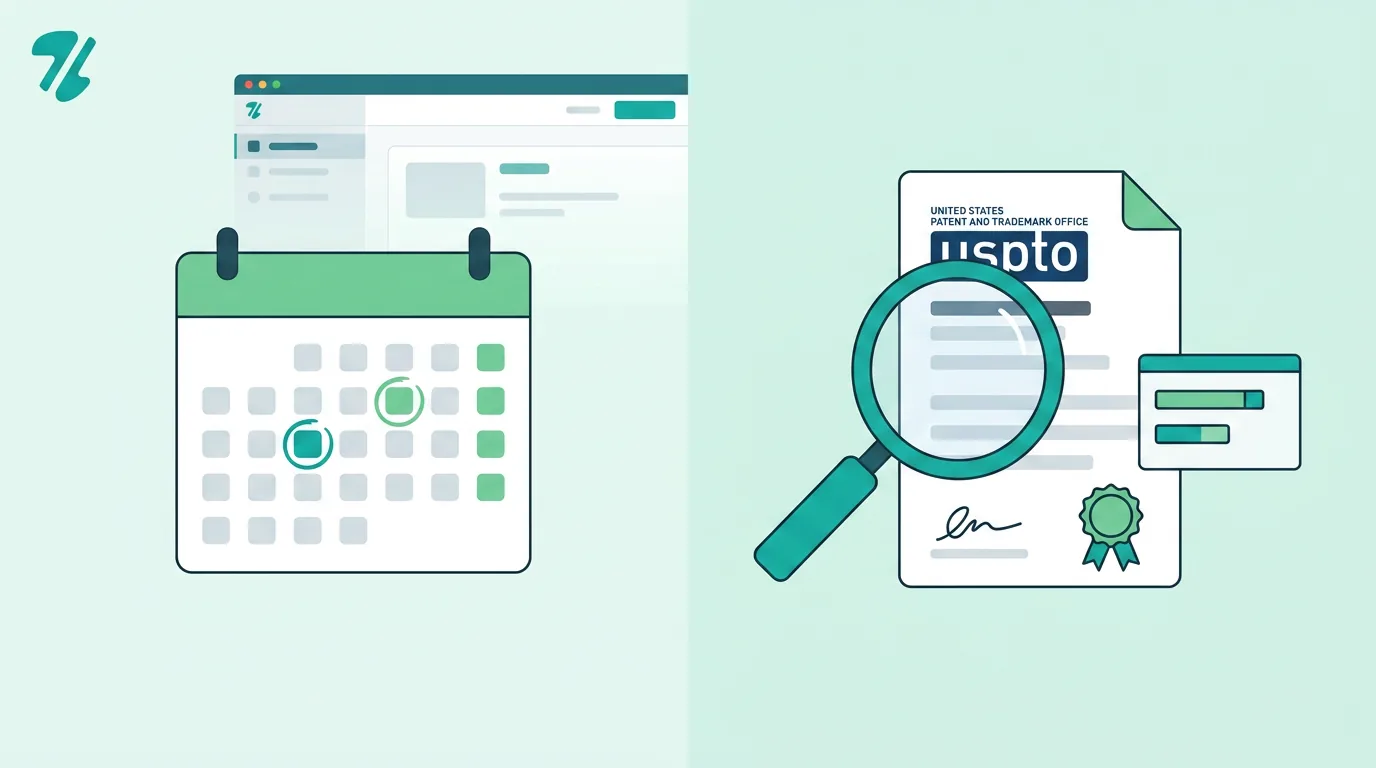
Copyright vs. Trademark Takedowns on Etsy
Understanding why trademark trolls are so dangerous requires knowing the difference between copyright and trademark enforcement on platforms like Etsy.
First to Use vs. First to File: Your Common Law Rights
Explains US common law trademark rights and how they apply to Etsy sellers.
The good news is that the United States is a "first-to-use" country, not a "first-to-file" country. Trademark rights are established by actually using the phrase in commerce to sell goods, not just by being the first person to fill out a USPTO application.
If you have documented Etsy sales featuring the phrase from 2022, and the competitor didn't file their trademark application until 2024, you are legally considered the "senior user." Under US common law, the competitor cannot legally stop you from using the mark in the geographic areas where you already established business.
Furthermore, if the competitor knew you were using the phrase and registered it anyway to force you out of the market, they may have committed fraud on the USPTO. However, enforcing these senior user rights requires legal action. You cannot simply email Etsy your old receipts; you must use the legal system to challenge the troll's registration.
Steps to Take If a Competitor Trademarks Your Phrase
Actionable steps for sellers hit by a bad-faith trademark takedown.
If you receive a trademark strike from a competitor, your first priority is protecting your Etsy account from permanent suspension. Do not immediately relist the deactivated item, and do not send angry messages to the competitor, which can result in a harassment ban.
First, investigate the claim. Go to the USPTO's Trademark Electronic Search System (TESS) and look up the exact phrase. Trolls frequently lie on Etsy's IP portal. They might claim to have a registered trademark when it is actually just a pending application, or they might use a trademark registered for "Software" (Class 9) to take down your "T-shirts" (Class 25). If the claim is demonstrably false or out of scope, you can appeal directly to Etsy's legal team.
If the trademark is valid and covers your product class, you must gather your evidence. Export your Etsy sales history, find the original listing creation dates, and take screenshots of your prior use. Then, consult a qualified IP attorney. An attorney can help you file a Petition for Cancellation with the Trademark Trial and Appeal Board (TTAB) to invalidate the troll's mark, or send a strategic Cease and Desist letter leveraging your senior user rights.
- Verify the USPTO registration number provided in the takedown email.
- Check the 'International Class' to ensure it actually applies to your specific product type.
- Export your Etsy order CSVs to prove your date of 'first use in commerce.'
- Consult an IP attorney to discuss TTAB cancellation proceedings.
How to Investigate a Competitor's Trademark Claim
Before you panic, verify that the competitor actually holds the legal rights they claim to have. Trolls often overstep their legal boundaries.
- Step 1: Search the USPTO Database Look up the phrase in TESS. Trolls often file takedowns using pending applications, which do not yet grant them enforcement rights.
- Step 2: Check the Product Class A trademark for 'Apparel' (Class 25) does not automatically give them the right to take down your 'Digital Planners' (Class 9).
- Step 3: Document Your First Use Export your Etsy order history to prove you sold products featuring the phrase before their official filing date.
Fatal Mistakes When Fighting a Trademark Troll
Avoid these common errors that can turn a single deactivated listing into a permanent shop suspension.
Aggressive messages can be reported to Etsy for harassment, leading to immediate account suspension regardless of who is right in the IP dispute.
If the trademarked phrase is still hiding in your tags or description, the troll will strike again. Multiple strikes mean permanent shop closure.
Trademark strikes stay on your internal Etsy record. You must scrub your entire shop of the phrase immediately to prevent further damage.
How to Proactively Protect Your Shop from Squatters
Advice on defensive strategies to prevent future trademark troll attacks.
Fighting an Etsy trademark troll is expensive and exhausting. The best defense is to avoid the battle entirely by proactively monitoring your listings and securing your own intellectual property.
If you have a flagship product line, a unique shop name, or a highly original slogan that drives the majority of your revenue, consider registering the trademark yourself. While it requires an upfront investment, being the registered owner prevents competitors from squatting on your success.
For the rest of your inventory, vigilance is key. The USPTO approves thousands of new trademarks every week, turning yesterday's generic phrases into today's IP violations. Regularly auditing your titles, tags, and descriptions ensures you can remove newly trademarked terms before a troll has the chance to report you.
Stop Trolls Before They Strike
Don't let a competitor blindside you. ZenStorefront scans your entire Etsy shop for newly registered trademarks, helping you remove risky phrases before a troll can file a takedown.
Frequently asked questions
Can I file a counter-notice for a trademark infringement on Etsy?
No. Unlike copyright claims, which fall under the DMCA, trademark disputes do not have a standard counter-notice process on Etsy. You must resolve the issue directly with the trademark owner or through legal action.
What happens if I used a phrase before it was trademarked?
In the US, trademark rights are based on first use in commerce. If you sold items with the phrase before the trademark was filed, you are the senior user. However, you must usually hire an IP attorney to enforce these common law rights and petition the USPTO to cancel the competitor's registration.
Can a competitor trademark a common or generic phrase?
Competitors often try to trademark common phrases, but truly generic terms cannot be legally protected. However, if the USPTO mistakenly approves the trademark, the competitor can still use it to file takedowns until someone pays to legally challenge and cancel the registration.
How do I know if a competitor's trademark claim is fake?
You can verify the claim by searching the USPTO TESS database. Check if the trademark is actually 'Live' and registered, and ensure it covers the specific International Class of the product you are selling. If it is only a pending application or for a different product category, the claim may be invalid.
Protect Your Bestsellers from Trademark Trolls
Competitors are weaponizing the USPTO every day. Don't wait for a takedown notice to find out your favorite phrase was just trademarked. Connect your shop to ZenStorefront to automatically scan your titles, tags, and descriptions for hidden IP risks.
Start a free scan