

Quick answer
- No, you generally cannot legally sell celebrity merch on Etsy without an official commercial licensing agreement.
- Celebrities are protected by the Right of Publicity, which prevents the unauthorized commercial use of their name, image, or likeness.
- Drawing a celebrity yourself does not bypass Right of Publicity or trademark laws, even if you own the copyright to the artwork.
- Using a celebrity's name in your Etsy tags can trigger automated takedowns from rights management agencies.
- To stay safe, sellers should focus on generic aesthetic trends and avoid using specific famous individuals in their designs or marketing.
What is the Right of Publicity?
Explains the legal concept of Name, Image, and Likeness (NIL) and how it differs from standard copyright.
If you are wondering whether you can sell celebrity merch on Etsy, the short answer is no. Unless you have an official commercial licensing agreement, selling products featuring a famous person's name, face, or catchphrases is illegal. While you might see thousands of fan art listings currently active on the platform, these shops are violating intellectual property laws and risking permanent suspension.
Many Etsy sellers are familiar with copyright law, which prevents you from stealing someone else's photograph or design. However, celebrity merchandise introduces a completely different legal hurdle: the Right of Publicity. This law protects an individual's name, image, and likeness from being used for commercial purposes without their explicit permission.
It does not matter if the celebrity is a musician, a professional athlete, or a movie star. If their identity is the primary reason your product is selling, you are profiting off their fame. Because the Right of Publicity is tied to the person rather than a specific piece of media, it is incredibly broad. Legal teams representing high-profile figures actively monitor marketplaces like Etsy to ensure no one is monetizing their client's identity.
IP Terms You Need to Know
Understanding the difference between these three legal concepts is crucial for protecting your Etsy shop.
Why "I Drew It Myself" Doesn't Protect You
Debunks the common myth that original fan art bypasses intellectual property laws.
A common defense among Etsy sellers is that they created the artwork from scratch. Sellers often spend hours digitally illustrating a famous pop star or painting a portrait of a legendary football player, assuming that because they own the copyright to the drawing, the product is legal to sell.
This is a dangerous misconception. While you do own the copyright to your original illustration, the subject of that illustration still owns their Right of Publicity. By placing that drawing on a product and selling it, you are commercializing their likeness without consent.
Furthermore, many celebrities have registered trademarks for their names, signature poses, and even specific eras of their careers. A hand-drawn portrait might avoid a copyright strike from a photographer, but it will still trigger a trademark or Right of Publicity takedown from the celebrity's legal representation.
Common Fan Art Myths
Avoid these dangerous assumptions that often lead to shop suspensions.
Believing that drawing a celebrity from scratch makes it legal to sell. You own the copyright to the drawing, but you are still violating their Right of Publicity.
Thinking that using only a celebrity's first name and a generic graphic is safe. If the context clearly points to them and profits off their fame, it can still trigger a takedown.
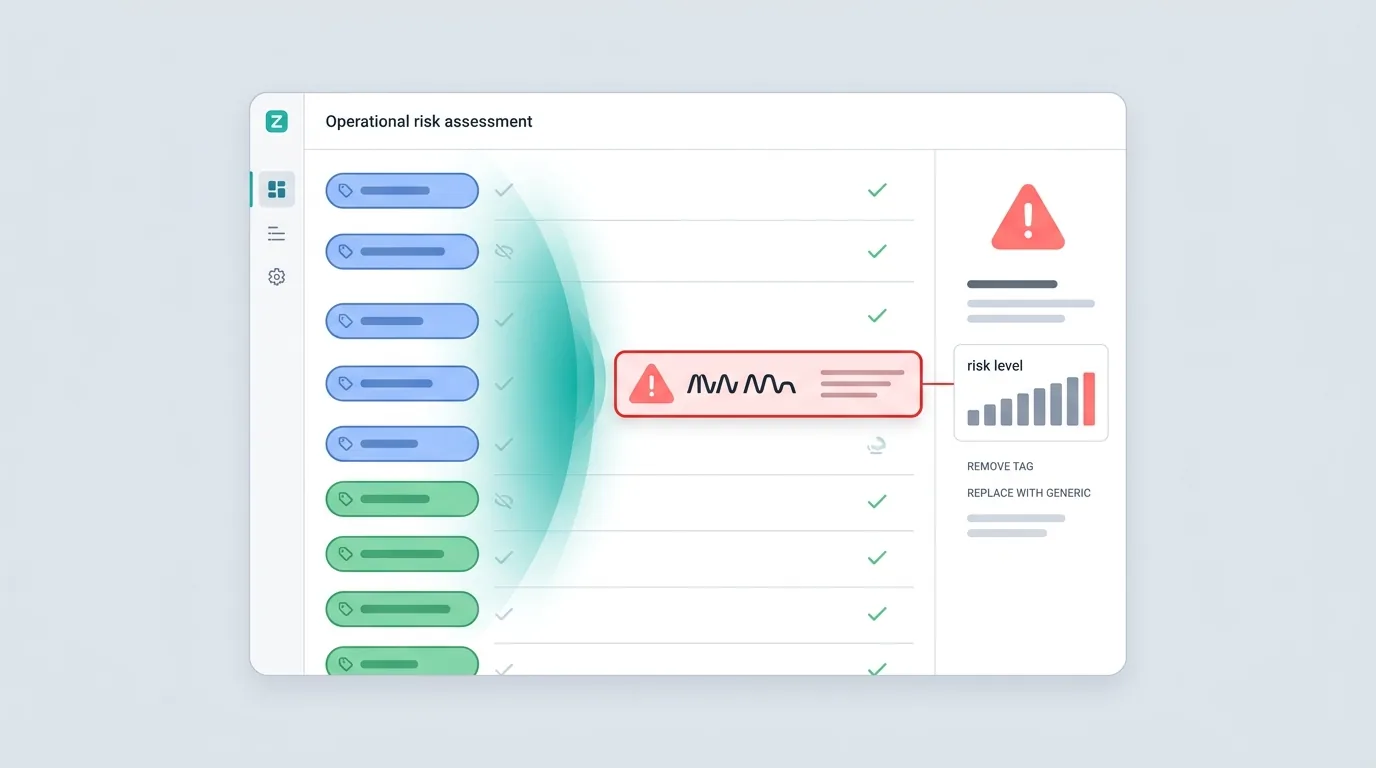
The Danger of Celebrity Names in Etsy Tags
Details how automated bots sweep Etsy for trademarked names in listing tags and titles.
Even if your product design is subtle or abstract, how you market it can lead to an immediate listing deactivation. Rights management agencies do not manually browse Etsy looking for infringing items. Instead, they use automated software bots to sweep the platform for specific keywords.
If you use a celebrity's full name, their dedicated fandom nickname, or trademarked song titles in your Etsy titles, tags, or descriptions, you are painting a target on your shop. These bots scrape the text data of your listing and issue bulk Digital Millennium Copyright Act (DMCA) takedown notices to Etsy.
Etsy's system processes these notices automatically. Once a takedown is filed, your listing is deactivated, and your shop receives an intellectual property strike. Attempting to use clever tag variations or misspellings rarely works, as modern sweeping tools are designed to catch these workarounds.
Tagging Risk Levels
How you tag your listings determines your likelihood of being caught in an automated bot sweep.
Using a celebrity's full name, official tour names, or exact trademarked lyrics in your listing titles and tags.
Using well-known fandom nicknames or specific dates associated with a celebrity's life events.
Using broad, aesthetic-based keywords (e.g., 'Y2K Pop Princess' or '90s Grunge Vibe') without referencing a specific person.
The "Everyone Else Is Doing It" Illusion
Explains Etsy's Safe Harbor status and why so many infringing listings are still visible.
The most confusing aspect of selling on Etsy is searching for a celebrity's name and seeing thousands of active, highly-rated listings. This creates a false sense of security, leading new sellers to believe that fan art is either permitted or ignored by the platform.
Etsy operates under the DMCA Safe Harbor provision. This means Etsy does not proactively police the marketplace for IP infringement. They only remove listings when the intellectual property owner officially reports them. The shops you see selling celebrity merch simply haven't been caught yet.
Enforcement usually happens in massive, unpredictable waves. A celebrity's legal team might ignore Etsy for months, only to issue thousands of takedowns weeks before a major stadium tour or album release. Relying on the hope that you will fly under the radar is not a sustainable business strategy and can result in a permanent ban from the platform.
Safe Alternatives for Pop Culture Shops
Provides actionable advice on how to pivot to legal, aesthetic-based designs.
If your shop thrives on pop culture trends, you don't have to abandon the niche entirely. The key is to pivot away from specific individuals and focus on broader aesthetic movements. Buyers are often looking for a specific vibe that can be captured without infringing on intellectual property.
Instead of naming a specific artist, use descriptive keywords that evoke the era or genre. Terms like Y2K Pop Princess, Retro 90s Grunge, or Country Music Festival attract buyers looking for that style without triggering trademark sweeps. Design your apparel using generic motifs—like cowboy boots, disco balls, or retro cassette tapes—rather than recognizable faces or trademarked lyrics.
Additionally, consider exploring the public domain. Historical figures, classical composers, and authors who have been deceased for a certain period often have no active Right of Publicity protections, allowing you to create and sell merchandise featuring their likeness legally. Always verify the public domain status before listing, as some estates maintain strict trademark controls.
- Focus on broad aesthetic trends rather than specific famous individuals.
- Use generic motifs (e.g., disco balls, cowboy boots) instead of faces or lyrics.
- Research public domain figures who no longer have active Right of Publicity protections.
Frequently asked questions
Can I sell celebrity merch on Etsy if I drew it myself?
No. While you own the copyright to your original drawing, selling it without permission violates the celebrity's Right of Publicity, which protects their name, image, and likeness from unauthorized commercial use.
Why are there so many celebrity items on Etsy if it's illegal?
Etsy operates under the DMCA Safe Harbor provision, meaning they do not actively police listings. They only remove items when the celebrity's legal team files an official takedown notice. The shops you see simply haven't been caught in a sweep yet.
Can I use a celebrity's name in my Etsy tags if the product doesn't have their face?
No. Rights management agencies use automated bots to scan Etsy tags for trademarked names. Using a celebrity's name in your tags to drive traffic to an unrelated product can still result in a listing deactivation.
Stop Guessing About IP Risk
Don't wait for an automated bot sweep to deactivate your best-selling items. ZenStorefront automatically scans your Etsy listings, images, and tags for high-risk celebrity names and trademarked phrases. Connect your shop today and protect your business from unexpected takedowns.
Start a free scanSources reviewed
- Etsy Intellectual Property Policy - Official policy detailing how Etsy handles intellectual property reports and DMCA Safe Harbor.
- Fan Art and Fair Use: One Truth and Five Myths - Etsy's official guidance on the risks of selling fan art and the limitations of Fair Use.