
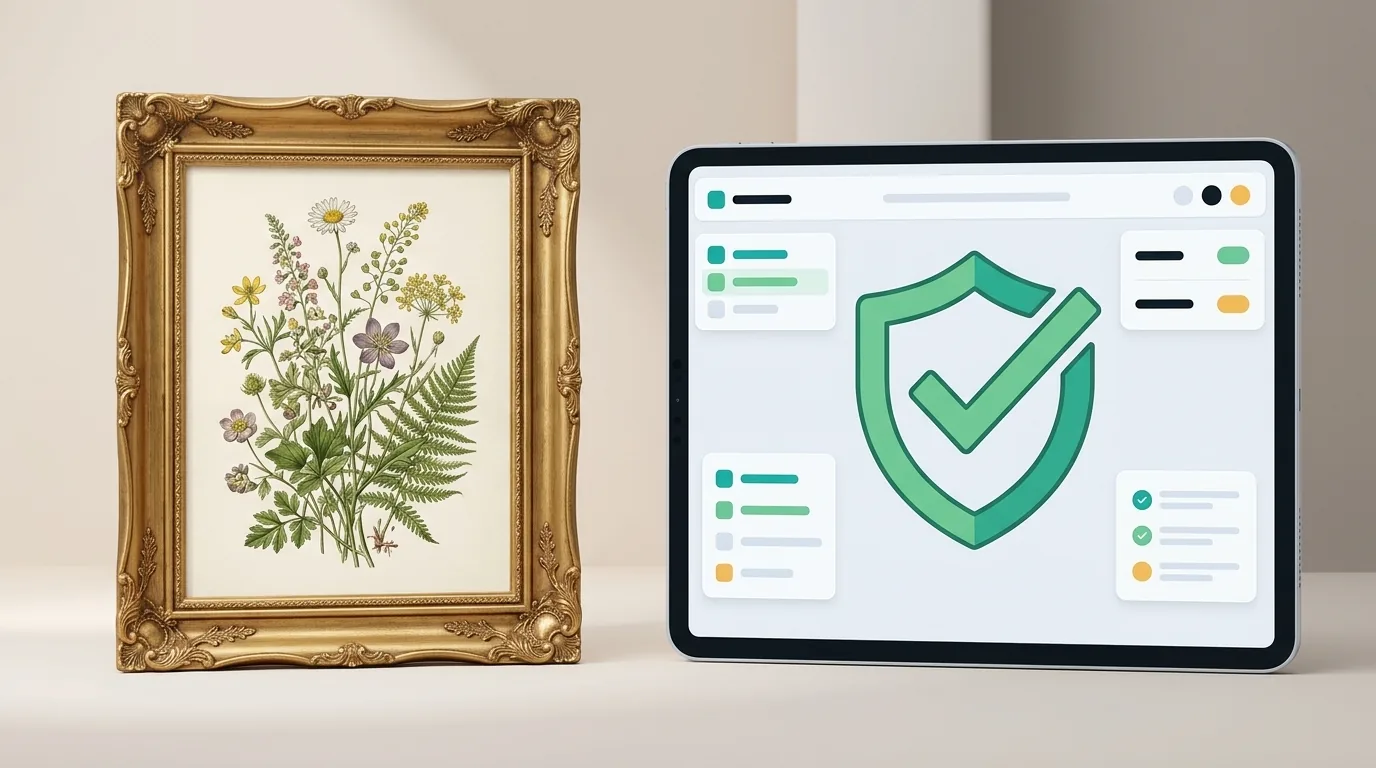
Quick answer
- Selling public domain art on Etsy is legal, but sellers must navigate hidden copyright and trademark risks.
- While works published before 1929 are generally free of US copyright, their associated character names or modern adaptations may still be protected by active trademarks.
- Etsy's automated bots frequently deactivate public domain listings if sellers use trademarked keywords in their titles or tags.
- To sell safely, source images from verified CC0 museum archives, avoid trademarked character names, and significantly modify the artwork to comply with Etsy's Creativity Standards.
What is Public Domain Art? (And Etsy's Stance)
An overview of US public domain laws and how they intersect with Etsy's Creativity Standards.
Many print-on-demand sellers and digital artists view the public domain as a goldmine. Selling public domain art on Etsy—like vintage botanical prints, classic oil paintings, or early cartoon characters—allows you to offer stunning designs without paying licensing fees. However, assuming that 'old means free to use' is a dangerous oversimplification that gets countless Etsy shops suspended every year.
Public domain art consists of creative works that are no longer protected by intellectual property laws, meaning anyone can use, modify, or sell them commercially without permission. In the United States, any artwork published before 1929 is currently in the public domain. Works also enter the public domain if the creator deliberately waives their rights using a CC0 license, or if the work was created by the US federal government.
From Etsy's perspective, selling public domain art is allowed, but it must fit within their Creativity Standards. You cannot simply download a JPEG of the Mona Lisa and sell the raw digital file, as Etsy requires digital items to be designed by a seller. However, you can legally use public domain art if you incorporate it into a physical product like a print-on-demand poster, curate a specific collection, or significantly modify the digital design to create something new.
The Trademark Trap: Why Public Domain Characters Get Flagged
Explaining the critical difference between expired copyrights and perpetual trademarks.
The single biggest mistake Etsy sellers make with public domain art is confusing copyright with trademark. Copyright protects the creative work itself and eventually expires. Trademarks protect brand identifiers like names, logos, and slogans, and they can last forever as long as the company actively defends them.
For example, A.A. Milne's original 1926 Winnie-the-Pooh book and its original line illustrations are in the public domain. You can legally print and sell those specific drawings. However, Disney still owns the trademark to the name 'Winnie the Pooh' for many commercial products, as well as the copyright to their specific modern version of the character wearing a red shirt.
If you sell the public domain drawing but use the tag 'Winnie the Pooh' or 'Disney' in your Etsy listing, your product will likely be deactivated for trademark infringement. You are legally allowed to use the art, but you are restricted from using the trademarked words to market it.
Common Public Domain Character Traps
Just because a character's first appearance is in the public domain does not mean their name or modern look is free to use.
The 1926 book drawings are public domain, but Disney owns the trademark to the name and the copyright to the red-shirt version.
The 1928 cartoon is public domain, but Mickey Mouse as a brand identifier is strictly trademarked by Disney.
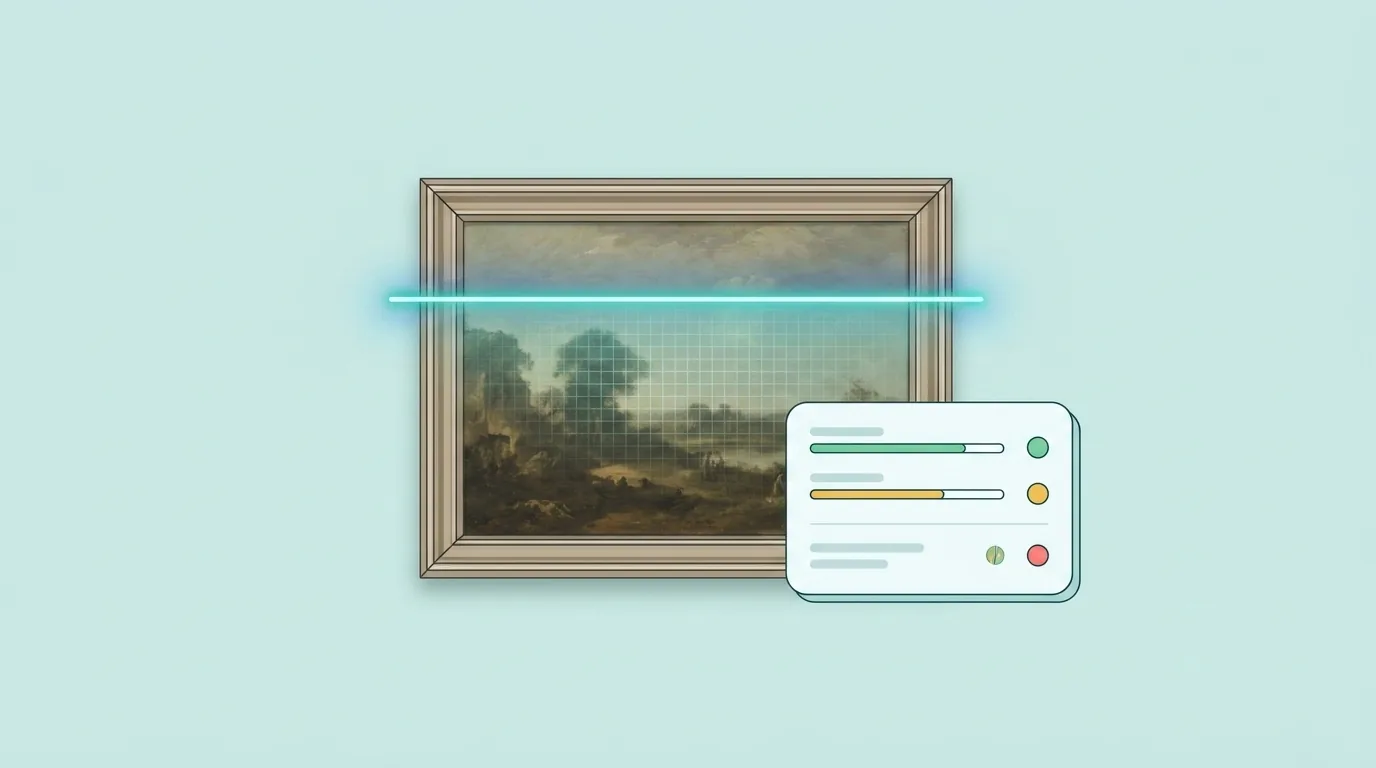
The Museum Scan Problem: Are Photos of Old Art Copyrighted?
Analyzing the legal risks of using museum scans and the difference between 2D and 3D art.
If a painting from 1850 is in the public domain, is a high-resolution photograph of that painting also in the public domain? In the US, the answer is generally yes. The landmark legal case Bridgeman Art Library v. Corel Corp. established that exact photographic copies of two-dimensional public domain artworks lack the originality required to claim a new copyright.
However, this protection only applies to 2D art like paintings and vintage posters. Photographs of 3D objects—like ancient Greek statues, pottery, or vintage jewelry—do qualify for new copyrights because the photographer makes creative choices regarding lighting, angle, and depth. You cannot legally sell someone else's photograph of a public domain statue.
Furthermore, while a museum cannot claim copyright on a 2D scan, they can restrict your commercial use through contract law if you agreed to their website's Terms of Service when downloading the image. Always ensure you are sourcing from institutions that explicitly release their scans under a CC0 license.
Museum Art Copyright Risks
Not all museum photos are created equal. Here is how copyright applies to different types of historical art scans.
Exact photographic scans of 2D public domain art cannot be copyrighted in the US.
Photos of 3D objects require creative lighting and angles, meaning the photograph itself is copyrighted by the photographer.
How to Safely Source & Sell Public Domain Art on Etsy
Actionable steps for finding and modifying vintage art to stay compliant.
To protect your Etsy shop, you must be meticulous about where you source your vintage graphics. Avoid pulling images randomly from Pinterest or Google Images, as these are often modern, copyrighted restorations or someone else's proprietary scans.
Instead, rely on verified public domain archives. Institutions like the National Gallery of Art, the Smithsonian, the New York Public Library, and platforms like Wikimedia Commons offer extensive collections of CC0 artwork. Once you have a safe image, the best practice is to modify it.
Adjusting the colors, combining multiple vintage elements into a collage, or adding typography not only helps you stand out in a crowded market but also solidifies your compliance with Etsy's policies. You can also use advanced visual scanning to ensure your modified designs don't accidentally mimic modern copyrighted works.
The Safe Public Domain Workflow
Follow these steps before listing any vintage art on your Etsy shop.
- Verify the Year Ensure the original artwork was published before 1929 to qualify for the US public domain.
- Check the License Download only from trusted archives offering explicit CC0 (Creative Commons Zero) licenses.
- Clear Your Tags Never use trademarked names, modern brands, or protected franchises in your Etsy tags or titles.
Why Etsy Bots Still Deactivate Public Domain Listings
Understanding how automated sweeps target tags and titles regardless of the image's legal status.
Even if you do everything perfectly—sourcing a verified pre-1929 CC0 image and avoiding trademarked character names—your listing might still get deactivated. This happens because Etsy relies heavily on automated bots to sweep the marketplace for IP violations.
These bots scan your titles, tags, and descriptions. If you use a brand name to describe the aesthetic of your public domain art, such as 'Disney style vintage art' or 'Anthropologie inspired print,' the bot will issue a trademark strike automatically. The bot does not analyze the age of your image; it only reads the text.
Additionally, bad actors or uneducated competitors sometimes file fraudulent DMCA takedown notices against public domain works, falsely claiming they own the copyright. While you can file a DMCA counter-notice for false copyright claims, you cannot easily counter a trademark strike. This makes proactively scanning your listings for risky keywords essential for maintaining a clean shop overview.
Catch Risky Tags Before the Bots Do
Etsy's automated bots don't care if your art is public domain—if you use a trademarked word in your tags, your listing will be deactivated. ZenStorefront scans your entire shop for hidden trademark risks.
Frequently asked questions
Can I sell public domain books on Etsy?
Yes, but you must adhere to Etsy's Creativity Standards. You cannot simply resell a raw digital PDF of a public domain book unless you have significantly modified it, curated it into a unique collection, or are selling a physical vintage copy.
Do I need to credit the original artist when selling public domain art?
Legally, public domain works do not require attribution. However, providing the original artist's name and the year of creation in your Etsy description builds buyer trust and adds historical value to your vintage prints.
What happens if I get a copyright strike for public domain art?
Competitors or automated bots sometimes falsely flag public domain art. If you receive a copyright takedown (DMCA) for a verified public domain work, you have the legal right to file a DMCA counter-notice to restore your listing, though you should consult an attorney first.
Secure Your Etsy Shop from IP Strikes
Stop guessing whether your vintage art listings are safe from bot takedowns. ZenStorefront automatically scans your Etsy shop for trademarked tags, hidden IP risks, and policy violations before they result in a strike. Protect your print-on-demand business today.
Start a free scanSources reviewed
- Etsy's Creativity Standards - Official policy detailing what can be sold on Etsy, including rules for designed and sourced items.
- Bridgeman Art Library v. Corel Corp. - Landmark legal ruling establishing that exact photographic copies of public domain 2D artworks are not protected by copyright.